
Businesses experiencing financial difficulties need to take action quickly to regain control of their finances. However, financial struggles don’t necessarily lead to insolvency. There are several options available to companies seeking to improve their financial position, two of which are business restructuring and refinancing. While these terms are often confused, the approaches they involve differ considerably.
What Is Business Restructuring?
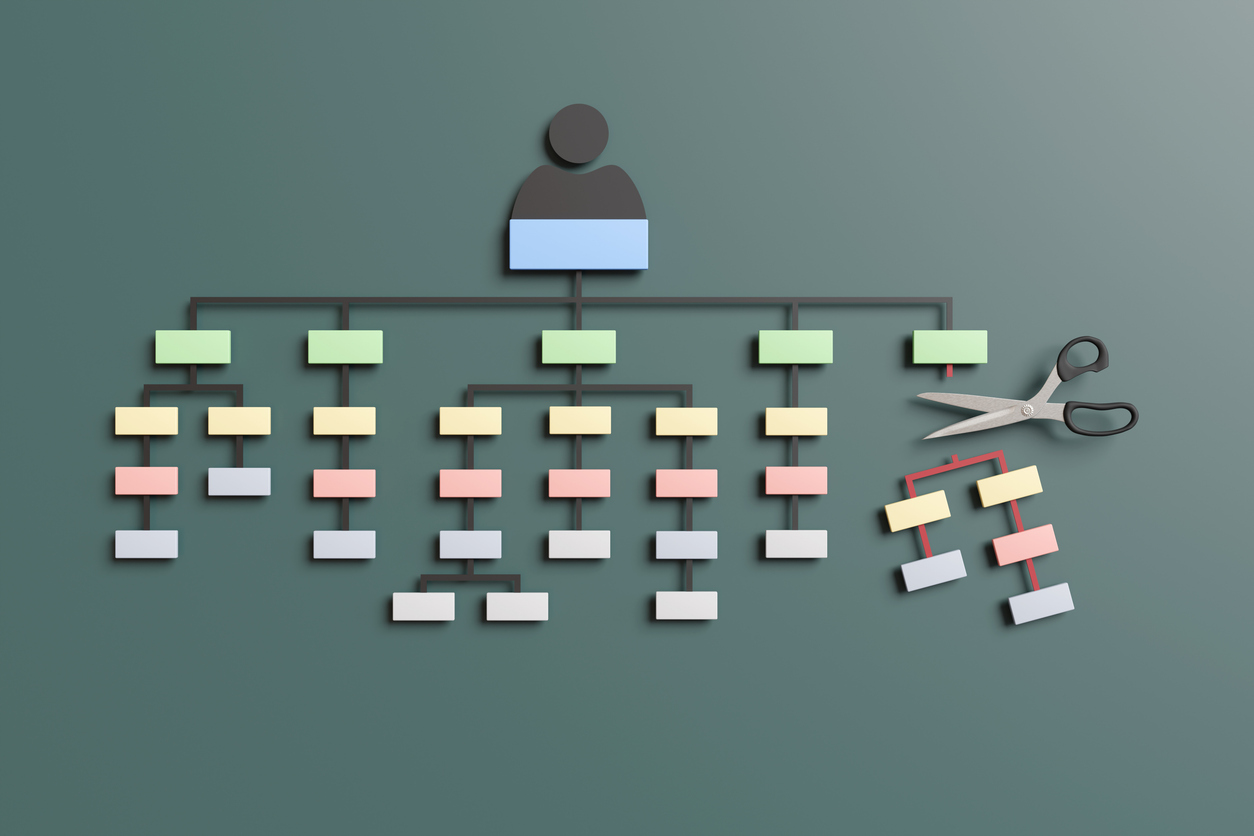
Business restructuring refers to the process of adjusting how a business operates, manages its finances and organises its debt to create a more stable financial position and secure its long-term future. This can be achieved through a variety of means. Some examples of business restructuring include:
- Renegotiating payment plans with creditors and suppliers.
- Reducing overheads and cutting back on unnecessary spending.
- Evaluating current staffing levels and operational expenditure.
- Selling underperforming assets or business divisions.
- Reorganising outstanding debt obligations and financial commitments.
What Is Business Refinancing?
Refinancing refers to the process of replacing existing borrowing with a new lending arrangement, typically to secure more favourable terms or make repayments more manageable. For example, a business may replace an existing loan with a new one at a lower interest rate or extend the repayment period. Refinancing can potentially free up working capital by reducing monthly repayments.
While refinancing can certainly help improve a business’s cash flow, it isn’t always straightforward, particularly if the business is experiencing financial hardship or has a less favourable credit history.
Can a Business Pursue Both Options?
It’s entirely possible for a business to pursue both restructuring and refinancing. In fact, both restructuring and refinancing can complement one another very well. As previously mentioned, refinancing can help a business temporarily ease some of its short-term financial pressures while it implements restructuring measures aimed at addressing the underlying reasons for its financial difficulties.
That being said, neither restructuring nor refinancing alone will necessarily resolve problems such as falling sales, high overheads or an unviable business plan. Similarly, business restructuring should involve reviewing existing borrowing and considering whether alternative funding sources could provide additional options. Ultimately, the decision to pursue either option will depend on the specific circumstances of the business, its financial position and the nature of the challenges it faces.
Explore Your Available Options
For businesses experiencing financial distress, understanding the different benefits of restructuring and refinancing, and how you can use them to support a struggling business, is key. Early action can help directors explore alternatives to formal insolvency and assess the best way forward.
Ballard Business Recovery specialises in helping company directors assess their circumstances, explore alternatives and develop practical strategies to preserve their businesses wherever possible. Get in touch with us today to discuss how restructuring and refinancing could help your company move forward.